


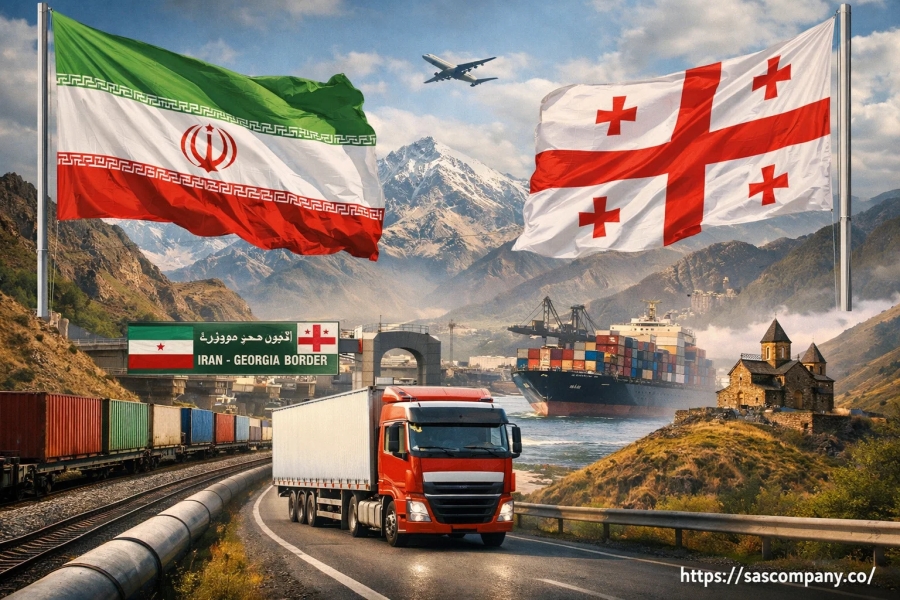
Rail Freight to Georgia via Iran
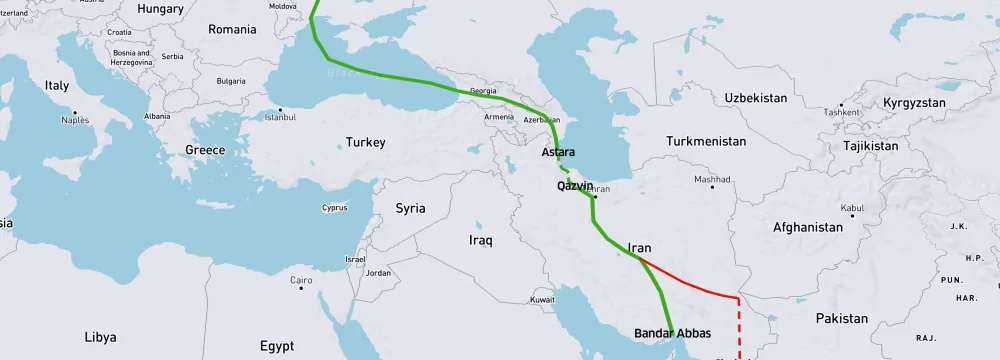
A rail freight service is one of the most important components of cargo transportation to Georgia via Iran, especially for international trade flows between Asia and Eastern Europe. The main rail transit route starts from southern Iran, where international cargo is collected from industrial centers and southern port logistics hubs connected to the Persian Gulf–Black Sea cargo route.
From southern Iran, rail shipments move north toward the Iran–Georgia freight corridor through the border city of Astara, which acts as a strategic cross-border logistics gateway. After reaching Astara, cargo is transferred to the Azerbaijani rail network, forming part of the broader international cargo transit via Iran system.
This transport corridor is frequently used for international freight to Georgia via Iran, supporting trade movements across the South-West Transport Corridor freight network. The route enables efficient movement of containerized cargo, commercial shipments, and industrial goods across multiple national rail systems.
The development of transit cargo Georgia Iran logistics has improved connectivity between regional markets, allowing businesses to access Georgian logistics hubs such as Tbilisi, Poti, and Black Sea trade gateways. The use of rail transport also supports multimodal freight to Georgia via Iran, where rail services can be combined with road or port transportation depending on cargo requirements.
Advantages of Rail Freight
Rail freight transportation offers several strategic advantages for cargo transit to Georgia via Iran. One of the primary benefits is cost efficiency over long-distance transportation. Compared to road freight, rail logistics generally provides lower per-ton transportation costs, making it suitable for businesses handling high-volume shipments.
Another important advantage is stability in delivery schedules. Rail transportation is less affected by road traffic congestion and weather-related delays, which helps improve supply chain reliability for international transit cargo operations. Predictable transit time is particularly important for commercial supply chains and cross-border trade logistics.
Rail freight is also highly suitable for project cargo and industrial shipments. Heavy machinery, construction materials, and large-scale manufacturing equipment are commonly transported using rail logistics due to the ability to carry heavy and oversized cargo efficiently. The rail corridor also supports containerized cargo transport, allowing standardized handling during international transit operations.
Overall, Iran rail freight services play a critical role in supporting international cargo transportation, transit logistics, and multimodal freight solutions along the Iran–Azerbaijan–Georgia transport corridor.
Road Freight Solutions to Georgia
Road freight transportation to Georgia via Iran provides flexible overland logistics options for international trade between the Persian Gulf region and the Black Sea markets. The main trucking routes begin from southern Iran, where cargo is transported from port areas and industrial logistics centers toward northern border crossings.
From Iran, road shipments usually pass through Azerbaijan before entering Georgia, forming an important part of regional transit trade corridors. This transportation network supports international cargo movement across the Iran–Georgia freight corridor and contributes to trade connectivity along the South-West transport corridor linking Asia to Eastern Europe.
Iran road freight is commonly used for commercial shipments, containerized cargo, and general trade goods that require direct land transportation between origin and destination markets.
When Road Transport Is the Better Option
Road transportation is particularly useful for time-sensitive shipments and smaller cargo volumes. Businesses often choose trucking services when fast delivery is required or when shipments need to be delivered directly to final destinations without additional transshipment handling.
Door-to-door delivery is one of the main advantages of road freight, especially for international trade operations that require flexible logistics solutions. Road transport is also suitable for smaller or more adaptable cargo types that do not require large-scale rail or maritime consolidation.
Multimodal Freight Solutions (Rail + Road Integration)
Iran multimodal freight service plays an important role in modern freight logistics for cargo transportation to Georgia via Iran. This transport method combines rail and road transportation to create more efficient international shipping operations across regional transit corridors.
The integration of rail and road transport helps reduce delivery time by allowing cargo to move through the most efficient route segments based on infrastructure conditions, border procedures, and destination accessibility. In international transit operations, multimodal freight systems help streamline cargo movement from southern Iranian logistics hubs to northern border crossings, and then continue transportation through neighboring countries toward Georgia.
One of the main advantages of multimodal freight is cost optimization. By combining rail freight efficiency for long-distance transport with the flexibility of road freight for final delivery stages, logistics operators can reduce overall shipping expenses while maintaining reliable service quality. This approach is particularly useful for international cargo transit via Iran along the Iran–Georgia freight corridor and the broader South-West transport corridor connecting regional trade markets.
Multimodal freight solutions are also highly effective for transporting complex shipments such as project cargo, industrial equipment, and large commercial shipments. These types of cargo often require specialized handling, coordinated transportation planning, and careful logistics management across different transportation modes.
Integrated logistics management is essential for successful multimodal freight operations. Coordinated planning helps ensure smooth cargo movement, efficient border crossing procedures, and optimized transit scheduling across international transportation networks.
Transit Performance of Iran–Georgia Logistics Corridor in 2026
In 2026, cargo transportation to Georgia via Iran remains one of the most practical overland transit options for regional and international trade. Compared with maritime routes such as shipping via the Suez Canal maritime corridor, and alternative land routes such as the Trans-Caspian Middle Corridor, the Iran transit path provides more predictable overland logistics scheduling and reduced transshipment complexity.
Estimated Transit Time via South-West Transport Corridor
Modern improvements in the South-West transport corridor freight network have optimized transit performance from Iran’s southern logistics gateways to Georgia. Transit time varies depending on transport mode and destination port access in Georgia.
|
Origin Logistics Hub |
Transport Mode |
Route Description |
Destination |
Transit Time |
|
Southern Iran Ports (Bandar Abbas, Bushehr) |
Road Freight |
Iran → Azerbaijan → Georgia land corridor |
Tbilisi |
10 – 14 Days |
|
Southern Iran Ports |
Rail + Road Multimodal |
Rail transport across Iran → Cross-border rail transfer via Azerbaijan → Final road delivery |
Tbilisi / Kutaisi |
12 – 16 Days |
|
Northern Iran Ports (Anzali, Nowshahr) |
Sea + Land Multimodal (Caspian Route) |
Caspian Sea shipping → Azerbaijan port transfer → Road delivery to Georgia |
Tbilisi / Batumi |
14 – 18 Days |
|
Southern Iran Ports |
Maritime + Regional Land Delivery |
Short sea shipping in regional waters → Black Sea port entry → Road delivery |
Poti / Batumi |
12 – 16 Days |
|
Central Industrial Zones of Iran |
Rail Freight |
Domestic rail network → Northern border rail corridors → Azerbaijan rail system → Georgia rail hubs |
Tbilisi |
11 – 15 Days |
Rail transportation through the Iran–Azerbaijan–Georgia freight corridor is particularly competitive because it avoids maritime transshipment delays across the Caspian Sea, which sometimes affect international cargo transit via Iran when vessel capacity is limited.
Why the Iran Transit Route Remains Competitive?
The Iranian corridor competes with alternative international routes by offering:
- • Fewer transshipment stages compared with maritime-heavy routes
• Potentially reduced physical handling risks due to fewer transshipment points
• More stable year-round operation compared with northern winter-affected corridors
• Strong connectivity to Persian Gulf–Black Sea cargo route trade networks
South-West transport corridor freight network
Cost of Cargo Transportation to Georgia via Iran
Current market estimates show that road cargo transportation from Iran to Georgia typically ranges between $2,900 – $4,200 per 20-foot container, while multimodal freight solutions usually cost about $3,500 – $4,000 per 20-foot container, depending on cargo type, seasonality, and logistics service conditions.
The cost structure for cargo transportation to Georgia via Iran depends on transport mode, border processing efficiency, and fuel price fluctuations.
- Customs cooperation between Iran, Azerbaijan, and Georgia helps streamline transit clearance procedures. This reduces administrative delays and handling costs compared with long maritime routes that require multiple port operations and additional cargo transfers.
- Road freight transportation can benefit from relatively stable domestic fuel pricing conditions in Iran, helping maintain competitive logistics costs for international freight shipments to Georgia compared with some long-distance maritime alternatives. However, cost advantages may vary depending on cargo volume and seasonal demand.
- Logistics and cargo consolidation centers located near southern Iranian ports such as Bandar Abbas, as well as northern border transit crossings, support multimodal freight operations. These hubs allow cargo aggregation and efficient redistribution before final delivery into Georgian logistics networks.
Transit Process & Customs Clearance
The transit process for cargo transportation to Georgia via Iran requires internationally recognized transit documentation to ensure legal and smooth cross-border movement along the Iran–Georgia freight corridor.
Required Transit Documents
- TIR Carnet — Used for international road transit cargo movement and allows sealed cargo to cross borders with simplified customs inspections.
- CIM Consignment Note — Used for international rail freight transportation under railway transport conventions.
- CMR Waybill — Required for international road freight contracts and proof of cargo transport agreement.
- Commercial Invoice — Specifies cargo value, description, and trade details for customs valuation.
- Packing List — Provides detailed cargo packaging and weight information.
- Bill of Lading (B/L) — Required for multimodal or maritime-linked shipments within international logistics chains.
Customs & Border Clearance
Transit coordination between Iran and Azerbaijan, particularly at the Astara border, is critical for smooth international cargo transit via Iran. Experienced local logistics companies in Iran can manage all documentation and border procedures efficiently. With proper preparation and established procedures, they ensure minimal delays and provide the most reliable solution for transit cargo Georgia Iran logistics operations.
Request a freight quote to receive customized transit solutions, route evaluation, and professional logistics consultation for cargo transportation to Georgia via Iran. Contact us to review shipment requirements and receive a tailored logistics proposal.
Frequently Asked Questions
What is cargo transportation to Georgia via Iran?
Cargo transportation to Georgia via Iran is an international transit logistics route connecting the Persian Gulf region to Georgia through rail and road transport corridors across Iran and Azerbaijan.
Which transit route is used for shipping to Georgia from Iran?
The main transit route starts from southern Iranian ports such as Bandar Abbas and moves north toward the Astara border, then continues through Azerbaijan into Georgia along international trade corridors.
How long does cargo transit take from Iran to Georgia?
Transit time usually ranges from 8 to 13 days depending on transport mode. Road freight is faster for urgent shipments, while rail and multimodal transport are more cost-efficient for large cargo volumes.
What documents are required for international transit cargo?
Required documents include TIR Carnet, CIM consignment note, CMR waybill, commercial invoice, packing list, and bill of lading for multimodal shipments.
Is the Iran transit corridor cost-effective?
Yes. The Persian Gulf–Black Sea cargo route through Iran often reduces transportation costs compared with longer maritime routes and provides more predictable overland transit schedules.
Why use multimodal freight solutions to Georgia via Iran?
Multimodal freight combining rail and road transport improves delivery flexibility, reduces transit time risks, and optimizes logistics costs for international shipments.
Which cities are the main logistics hubs in Georgia?
Tbilisi, Poti, and Batumi are major logistics and trade entry points for international cargo arriving in Georgia.